
Call: 01588 650 496 for expert help & advice
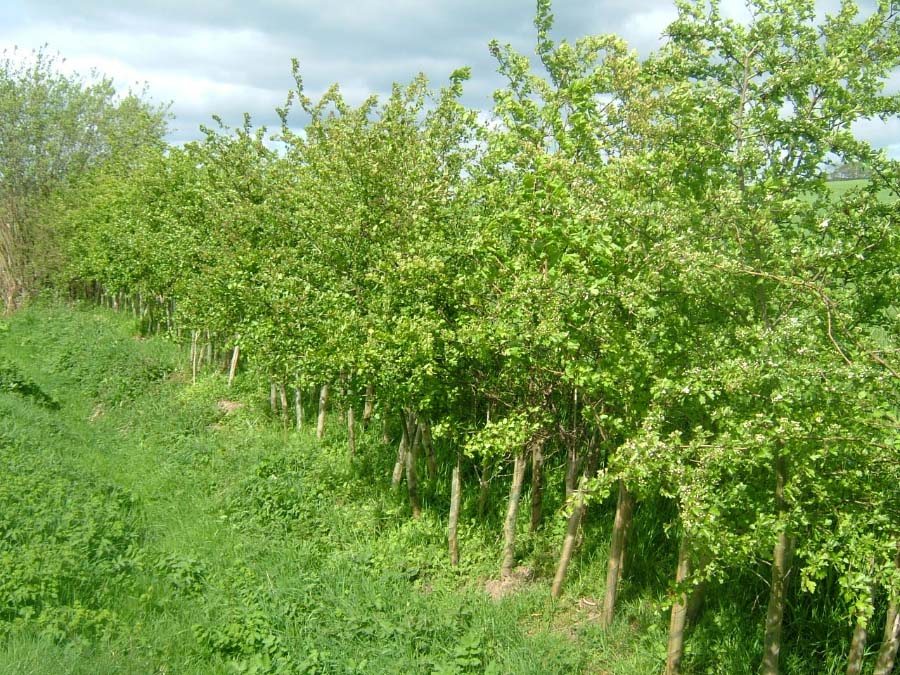
Creating a new woodland is one of the most effective ways to enhance biodiversity, improve soil health, store carbon, and increase long-term landscape value. Whether you’re establishing a shelterbelt, a native woodland block, or a large-scale planting scheme, selecting the right species and spacing is key to long-term success.
At Farm Forestry, we supply a full range of bare-root trees, shelters, and planting accessories designed to support strong establishment across rural and agricultural landscapes.
New woodland delivers benefits that include:
Whether you’re planting for productivity, stewardship funding, or environmental enhancement, well-planned woodland will benefit your land for decades.
Mixed deciduous woodlands form the backbone of the UK’s natural landscape. They are highly valued for their wildlife benefits, seasonal interest, and resilience.
Common Species for Mixed Deciduous Woodlands
A diverse mix creates a stable, adaptable woodland and reduces the risk of pest or disease issues.
Recommended Spacing- Mixed Deciduous Woodland Planting
Closer planting encourages straight stems and faster canopy closure, helping control grass and weed competition naturally.
Our deciduous trees pricelist can be found here
Coniferous woodlands are typically planted for timber production, rapid growth, and shelter, performing well even on exposed or nutrient-poor sites.
Popular Conifer Choices
These species are chosen for reliability and strong performance in UK forestry conditions.
Recommended Spacing– Coniferous Woodland Planting
This density encourages tall, straight growth and good timber form.
Our coniferous trees pricelist can be found here
A blend of broadleaf and conifer species offers the best of both worlds: habitat value, structural diversity, and long-term resilience. Conifers can act as nurse species to shelter slower-growing broadleaves like oak.
Typical Spacing
Mixed woodlands are increasingly popular for stewardship schemes, landscape enhancement, and multi-purpose forestry.
1. Protect Young Trees
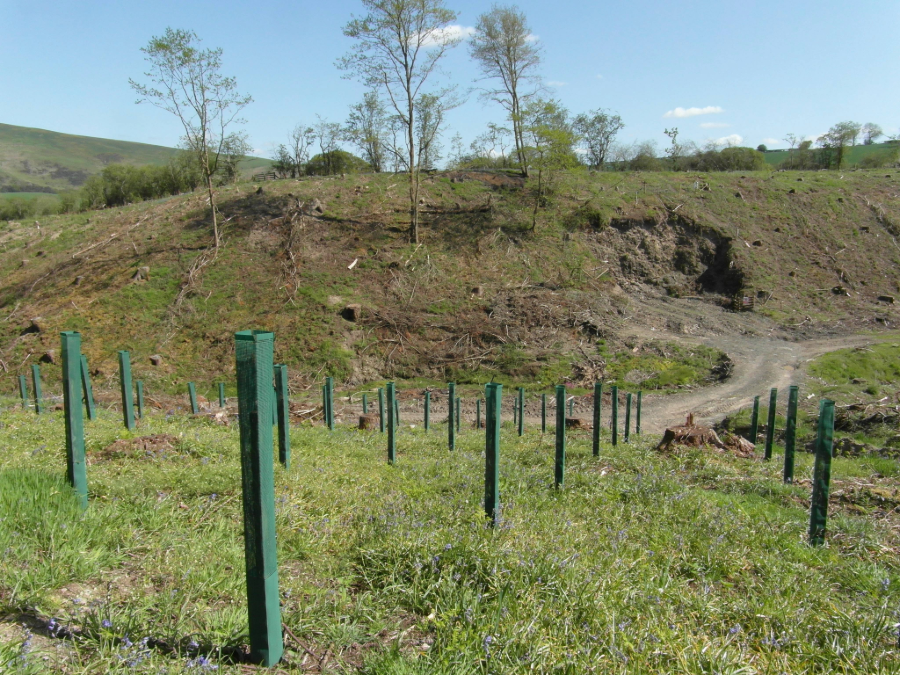
Tree shelters, guards, and stakes significantly improve survival by preventing rabbit and deer. Consider which species may be present and match the guarding to suit i.e., where deer are present shelters of at least 1.2m in height, such as our continental shelters should be used. Where only rabbits are present sorter shelters such as our 60cm guards could be used. Do give us a call for free advice in selecting the right guard!
2. Control Weeds Early
Maintain a weed-free area around each tree for at least the first two seasons to ensure strong root development. This can be achieved via applications of herbicide where permittable, brush cutting, or hand weeding with a hook. Here at Farm Forestry we supply all the tools you may require, just click here to have a browse.
3. Control Pest Species and Animals
If high numbers of deer, rabbits and squirrels are present, these species have the potential to harm the establishment of new woodlands, consider humane legally approved methods to cull, or trap such species to reduce numbers to manageable levels.
4. Plant During the Dormant Season
Bare-root trees should be planted from November to March for best establishment.
5. Match Species to Site Conditions
As a generalisation, broadleaves prefer fertile, well-drained soils; many conifers tolerate poorer, wetter, or more exposed ground.
6. Consider Windblow
Exposed sites, which the vast majority of new woodlands are may benefit from more wind resistant varieties of trees planting around the perimeter of woodlands, or on wind exposed edges. Consider a belt of Scots Pine to aid in wind resilience.
The Economic Benefits of New Woodland Planting
Woodland creation offers more than environmental value, it can provide long-term financial returns and support farm diversification.
Carbon Credits
New woodland can generate carbon credits through the UK Woodland Carbon Code, creating a steady income stream and helping offset establishment costs as demand for certified carbon projects increases.
Timber Production
Conifer plantations offer strong commercial potential, producing construction-grade timber, sawlogs, and biomass material. Harvests typically begin within 30–40 years, supporting reliable long-term income.
Firewood and Woodfuel
Deciduous woodlands can supply coppice material, thinnings, and firewood, providing renewable heating fuel for the farm or local sale.
Grant Support
A wide range of woodland creation grants can help cover tree costs, guards, fencing, and early maintenance—reducing upfront investment and improving long-term profitability.
Farm Forestry supplies high-quality bare-root trees, shelters, and planting accessories suitable for new woodland creation, stewardship schemes, and farm diversification projects. Our deciduous and coniferous planting options support strong early growth and long-term woodland success.
If you’d like help choosing species or planning your woodland layout, we’re always happy to assist, just give us a call on 01588 650 496.